
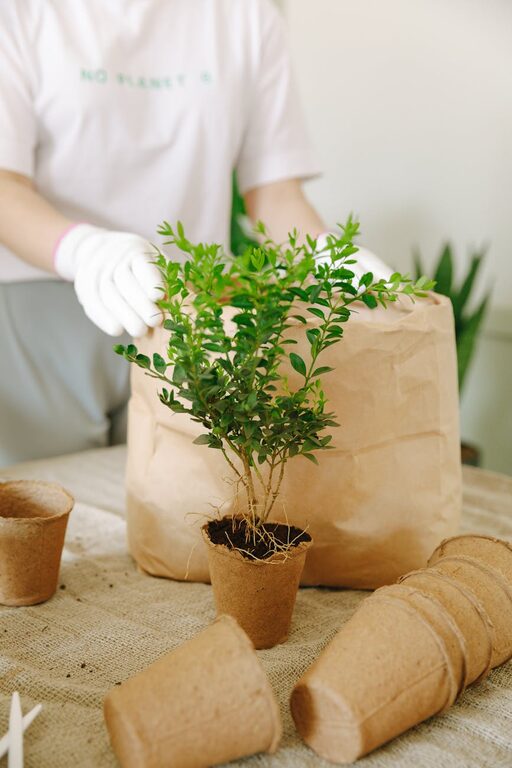
Creating a sustainable and eco-friendly home garden is a rewarding way to connect with nature while reducing your environmental impact. With a little planning and care, anyone can design a garden that supports local wildlife, conserves resources, and grows healthy plants. In this post, we’ll explore simple and effective tips to help you develop a home garden that’s both beautiful and green.
Why Choose a Sustainable Garden?
Sustainable gardening focuses on working with nature rather than against it. This means using methods and materials that minimise waste, reduce water usage, and avoid harmful chemicals. Such gardens encourage biodiversity and create habitats for beneficial insects and birds. By gardening sustainably, you not only enhance your outdoor space but also contribute positively to the environment.
Planning Your Sustainable Garden
Good planning is key for sustainability. Start by assessing your garden’s conditions:
– Sunlight: Note sunny and shaded areas.
– Soil Quality: Test soil texture and pH.
– Water Sources: Identify available water for irrigation.
– Local Wildlife: Look out for native plants and animals.
Design your garden layout to suit these conditions, favouring native plant species that are well-adapted to your local environment. Native plants usually require less water, fertilisers, and care, making them a sustainable choice.
Choosing the Right Plants
Opt for Native and Drought-Tolerant Plants
Native plants thrive in the local climate, reducing the need for extra watering and chemical inputs. Drought-tolerant plants are also excellent for conserving water, especially during dry spells. Examples include lavender, coneflowers, and ornamental grasses.
Grow a Variety of Plants
Diversity enhances garden resilience and attracts a range of beneficial insects and pollinators, such as bees and butterflies. Consider mixing vegetables, herbs, flowers, and shrubs.
Soil Health and Composting
Healthy soil promotes strong plant growth and reduces the need for artificial fertilisers.
– Compost at Home: Use kitchen scraps, garden waste, and fallen leaves to create nutrient-rich compost.
– Avoid Chemicals: Reduce or eliminate synthetic pesticides and fertilisers; choose organic or natural alternatives if needed.
– Mulching: Apply organic mulch like bark chips or straw to retain soil moisture, suppress weeds, and improve soil quality over time.
Water Conservation Techniques
Water is a precious resource, and conserving it in your garden is vital.
– Rainwater Harvesting: Collect rainwater in barrels to use for watering plants.
– Drip Irrigation: Use drip systems or soaker hoses to deliver water directly to plant roots with less waste.
– Watering Schedule: Water early in the morning or late in the evening to minimise evaporation.
– Group Plants by Needs: Place plants with similar water requirements together to avoid over- or under-watering.
Wildlife-Friendly Gardening
Encourage wildlife by making your garden a welcoming habitat:
– Provide Shelter: Include birdhouses, log piles, or dense shrubs for shelter.
– Plant Nectar-Rich Flowers: Attract pollinators by planting flowers like echinacea or foxglove.
– Avoid Chemical Sprays: Pesticides can harm beneficial insects and upset the ecological balance.
Reducing Waste in the Garden
Practice mindful consumption and waste reduction:
– Reuse Materials: Upcycle old containers or pallets for planters and garden furniture.
– Seed Saving: Collect seeds from your plants to grow next year’s crops.
– Minimal Lawn: Reduce lawn size to save water and maintenance time; replace with wildflower meadows or edible plants where possible.
Sustainable Tools and Practices
Choose garden tools and supplies that align with eco-friendly principles:
– Manual Tools: Use hand tools to reduce reliance on petrol or electric-powered equipment.
– Ergonomic and Durable Tools: Invest in quality, long-lasting tools to reduce waste.
– Eco-Friendly Pest Control: Encourage natural predators like ladybirds and use barriers such as nets or collars to protect plants.
Seasonal Gardening and Crop Rotation
– Seasonal Planting: Grow plants suited to each season to ensure better yields and healthier plants.
– Crop Rotation: Change plant locations yearly to prevent disease build-up and maintain soil fertility.
Final Thoughts
Building a sustainable and eco-friendly home garden is a journey that benefits you and the planet. With thoughtful plant choices, efficient water use, and support for local wildlife, your garden can flourish while respecting nature. Start small, experiment, and enjoy the many rewards of a green garden space that reflects your care and commitment to the environment. Happy gardening!
About the Author