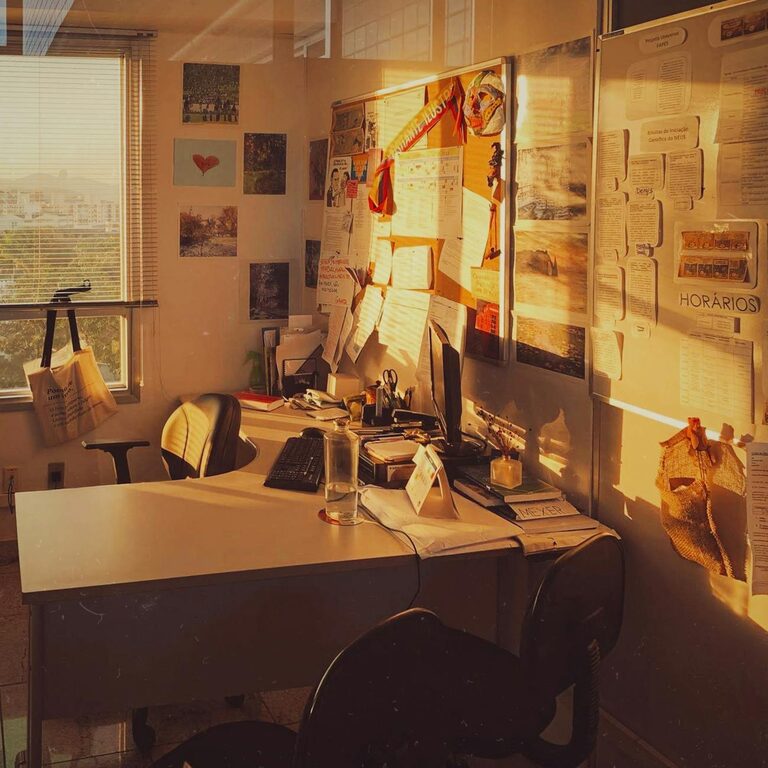
Working from home has become increasingly common, making it essential to create a home office that not only helps you stay productive but also feels relaxing. A well-designed workspace can enhance your focus, reduce stress, and support a better work-life balance. Here are some helpful tips to design a home office space that combines comfort and efficiency.
Choose the Right Location
Your home office should be in a quiet area where you can focus without frequent distractions. If you don’t have a dedicated room, consider a corner in a less trafficked part of your home.
– Avoid high-traffic areas like the kitchen or living room.
– Use room dividers or curtains if needed to create a visual separation.
– Ensure enough space to fit your desk, chair, and storage comfortably.
Invest in Ergonomic Furniture
Comfort is key to staying productive and avoiding strain during long hours of work.
– Select an adjustable office chair with good lumbar support.
– Choose a desk at the proper height to keep your arms at a comfortable angle.
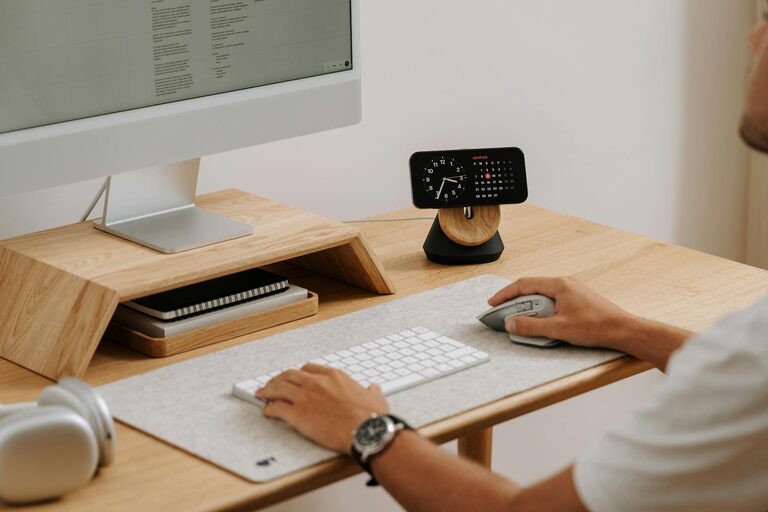
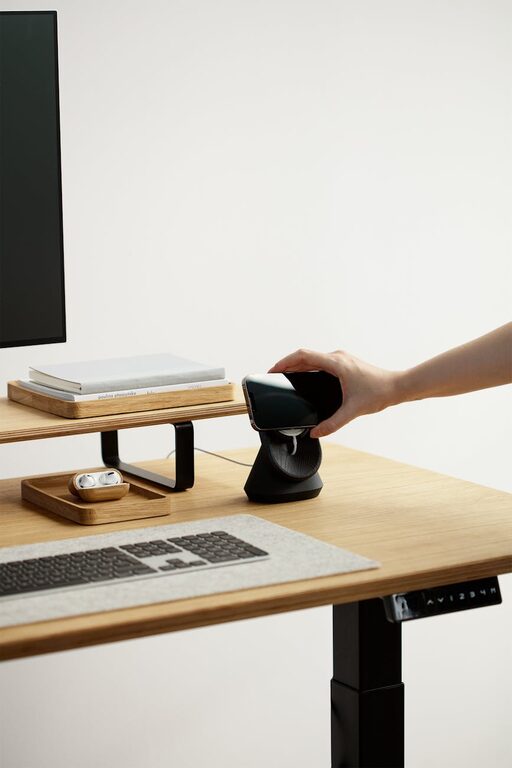
– Consider accessories like footrests or monitor stands to maintain good posture.
Ergonomic furniture reduces physical discomfort and helps maintain focus throughout the day.
Maximise Natural Light and Air Quality
Natural light has a positive effect on mood and energy levels. Wherever possible, position your desk near a window.
– Use light, breathable curtains to control glare.
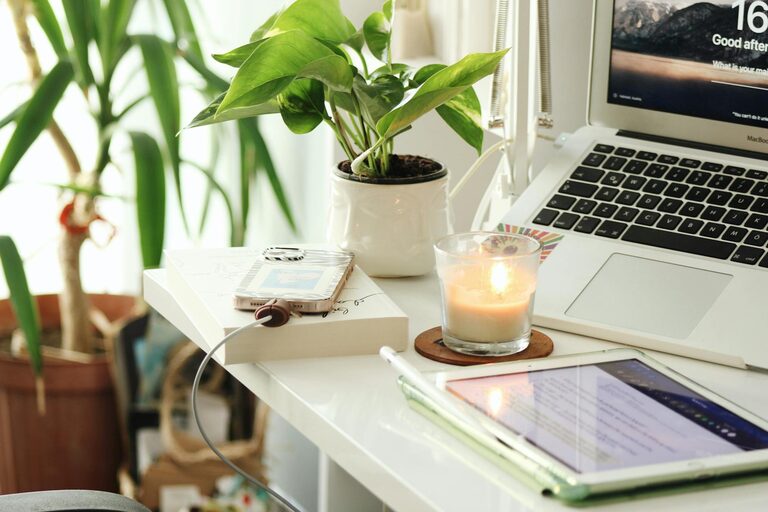
– Add plants to improve air quality and introduce calming greenery.
– Open windows regularly or use an air purifier to keep the air fresh.
Good lighting and air circulation contribute to a healthier, more enjoyable workspace.
Keep Your Workspace Organised
Clutter can increase stress and decrease productivity. Create systems to keep your office tidy.
– Use drawers, shelves, or storage boxes to store stationery and documents.
– Label storage containers for easy finding.
– Spend a few minutes at the end of each day tidying your desk.
An organised workspace helps your mind stay clear and focused on tasks.
Personalise Mindfully
Adding personal touches makes your office feel welcoming, but be careful not to create distractions.
– Display a few favourite photos, artwork, or inspirational quotes.
– Use calming colours like soft blues or greens in decor or accessories.
– Avoid overcrowding your workspace with too many items.
Personalisation helps create a space you look forward to working in, boosting motivation.
Create Zones for Different Activities
If space allows, design areas for various tasks to encourage better workflow.
– Have a dedicated computer workstation.
– Include a separate space for writing, brainstorming, or phone calls.
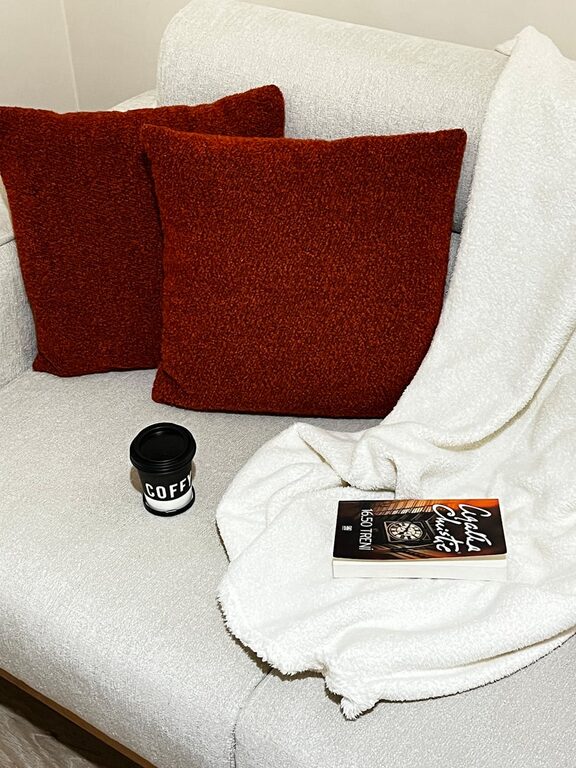
– Use comfortable seating for breaks or reading.
Zoning helps your brain switch between activities and promotes productivity.
Limit Noise and Distractions
Background noise can disrupt concentration, so take steps to minimise this.
– Use noise-cancelling headphones or white noise machines if needed.
– Consider soundproofing materials like carpets, curtains, or wall panels.
– Inform family members or housemates of your working hours to reduce interruptions.
A quiet environment supports deep focus and effective work.
Establish a Routine and Boundaries
A home office is most effective when combined with clear work routines.
– Set regular working hours to separate work from home life.
– Take short breaks every hour to move and refresh your mind.
– Turn off work devices at the end of the day to avoid burnout.
Routines foster a productive mindset and help maintain balance.
Optimise Technology and Connectivity
Ensure your technology supports your work demands.
– Use a reliable internet connection.
– Organise cables neatly with clips or sleeves to prevent tangling.
– Keep necessary software and files easily accessible.
Smooth technology use reduces frustration and downtime.
Add Relaxing Elements
Incorporate features that encourage calmness and mental clarity.
– Use a small desk fountain or diffuser with essential oils for soothing sounds and scents.
– Play gentle background music if it helps you concentrate.
– Keep a water bottle nearby to stay hydrated.
Relaxing elements can make your workspace a more pleasant place to spend hours.
—
Designing a home office that balances relaxation and productivity doesn’t require a complete renovation. By carefully selecting your space, furniture, and surroundings, and implementing good habits, you can create an environment that supports your professional goals while nurturing your wellbeing. With these practical tips, your home office can become a comfortable and efficient place where work feels less like a chore and more like a rewarding task.
About the Author