Creating a home office that is both relaxing and productive is key to maintaining a healthy work-life balance, especially as remote working becomes more common. A well-designed workspace can help improve focus, reduce stress, and support your overall well-being. Whether you’re setting up a new area or refreshing an existing one, these tips will guide you in creating an environment that inspires efficiency and calm.
Choose the Right Location
The first step to an effective home office is selecting the right spot. Ideally, this should be a quiet corner of your home with minimal distractions. A spare room or a nook with a door you can close offers privacy, helping to mentally separate work from leisure.
If space is limited, consider using room dividers or screens to create a dedicated zone. Natural light is another important factor — positioning your desk near a window boosts mood and energy, but ensure you minimise glare on your computer screen.
Invest in Comfortable and Functional Furniture
Comfort is crucial when you spend long hours at a desk. Choose an ergonomic chair that supports good posture to avoid discomfort and potential strain. Adjustable desks, especially those that allow you to alternate between sitting and standing, can also benefit your health.
Your desk should be spacious enough to hold your computer, essential tools, and some personal touches. Organised surfaces reduce clutter and help you stay focused.
Organise with Purpose
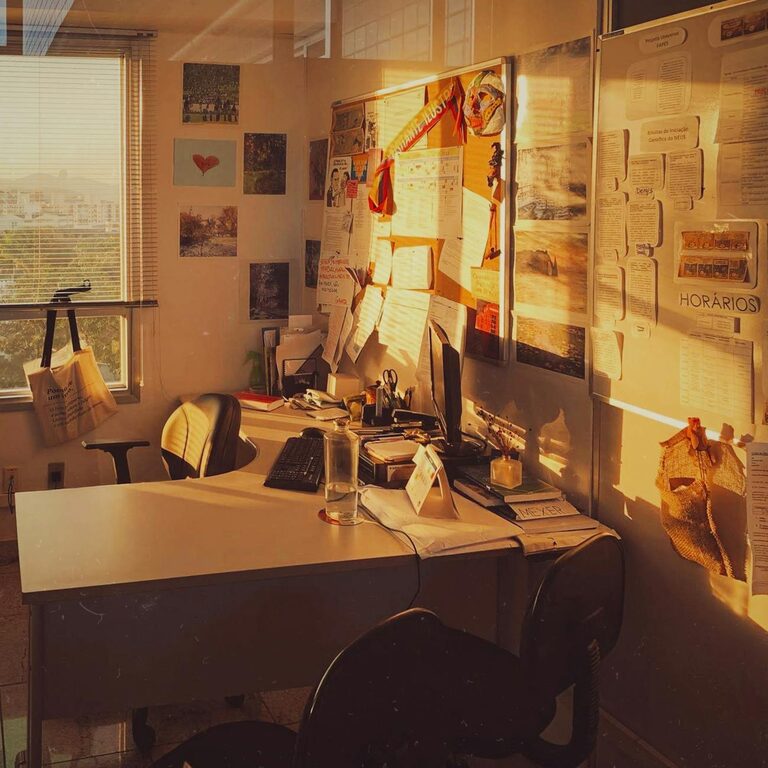
A tidy workspace contributes to a clear mind. Use storage solutions such as shelves, drawers, or filing cabinets to keep documents and supplies organised. Label boxes and folders so you can quickly find what you need without stress.
Implementing a daily or weekly tidying routine ensures that clutter doesn’t accumulate. Digital organisation matters too — keep your computer desktop and files systematically arranged.
Create an Inspiring and Personal Atmosphere
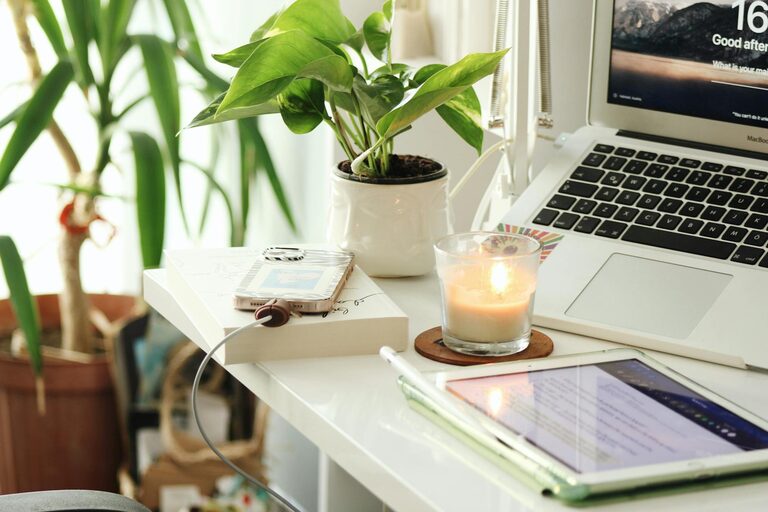
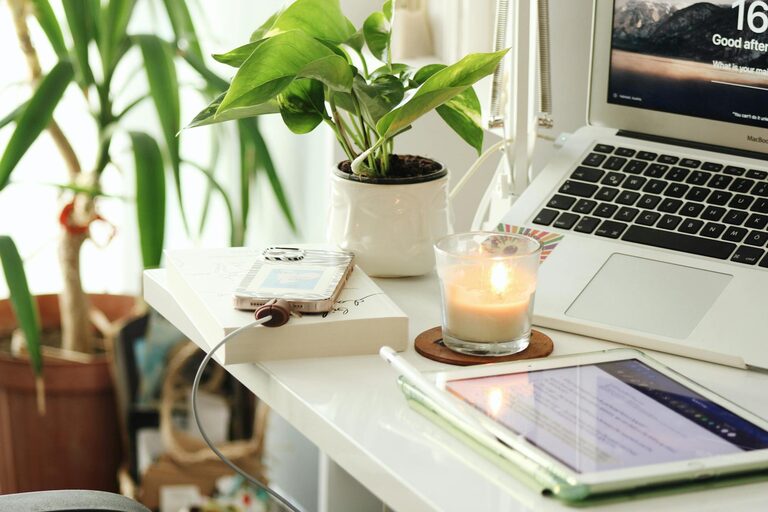
Personalising your workspace with items that inspire or relax you can make a big difference. This may include artwork, plants, photos, or meaningful objects. Greenery, in particular, has been shown to reduce stress and improve air quality.
Choose a calming colour palette for your office walls and furnishings, such as soft blues, greens, or neutral tones. This creates a soothing backdrop that helps maintain concentration.
Manage Lighting Wisely
Proper lighting is essential for comfort and productivity. Natural light is best during the day, but if this isn’t accessible, ensure you have good-quality artificial lighting.
Task lights, like adjustable desk lamps, focus light where you most need it without causing glare. Avoid harsh overhead lights and consider bulbs that mimic daylight to reduce eye strain.
Minimise Noise and Distractions
Noise can greatly impact your ability to concentrate. If you live in a busy household, use noise-cancelling headphones or play gentle background music or nature sounds to create a peaceful ambience.
If external noise is a persistent issue, installing soundproof curtains or adding rugs can help absorb sound. Inform family members of your work hours to reduce interruptions.
Incorporate Breaks and Movement
A productive home office encourages regular breaks and physical movement. Set reminders to stand, stretch, or take short walks to avoid stiffness and maintain energy levels.
Design your space to accommodate movement — for example, place your printer or filing cabinet a few steps away, encouraging brief activity between tasks.
Keep Technology Up to Date and Organised
Reliable technology helps reduce frustration and saves time. Invest in a good-quality computer, fast internet connection, and any other devices you need, such as a printer or scanner.
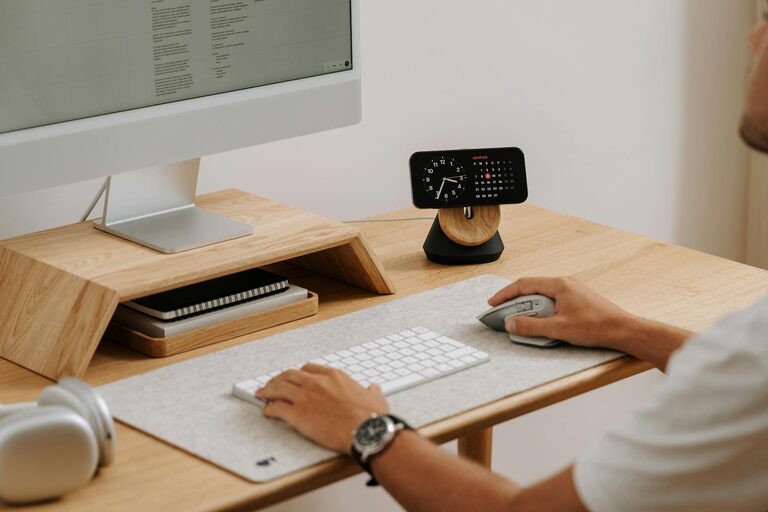
Cable management solutions keep wires organised and off your desk, creating a cleaner look and avoiding tangles.
Establish Boundaries and a Routine
One challenge of working from home is blending professional and personal life. Define clear working hours and stick to them. Use your dedicated workspace exclusively for work to help mentally separate work time from relaxation.
Create a morning routine before starting work to signal the beginning of your day, such as tidying your desk or making a cup of tea.
—
Designing a home office that supports productivity and relaxation is a process that combines practical organisation, comfort, and personal touches. By carefully considering your space, furniture, lighting, and routines, you’ll create an environment where work feels manageable and even enjoyable. Remember, your home office should adapt to your needs, so feel free to experiment and adjust as you go.
About the Author