Creating a home office that is both comfortable and productive can make a significant difference to your workday. Whether you are working remotely full-time or just need a dedicated space for occasional tasks, setting up an effective workspace helps improve focus, reduce stress, and maintain a healthy work-life balance. In this post, we’ll explore practical tips to help you design a home office that suits your needs and enhances your productivity.
Choose the Right Location
The first step in creating a home office is selecting the best spot in your home. Consider the following factors:
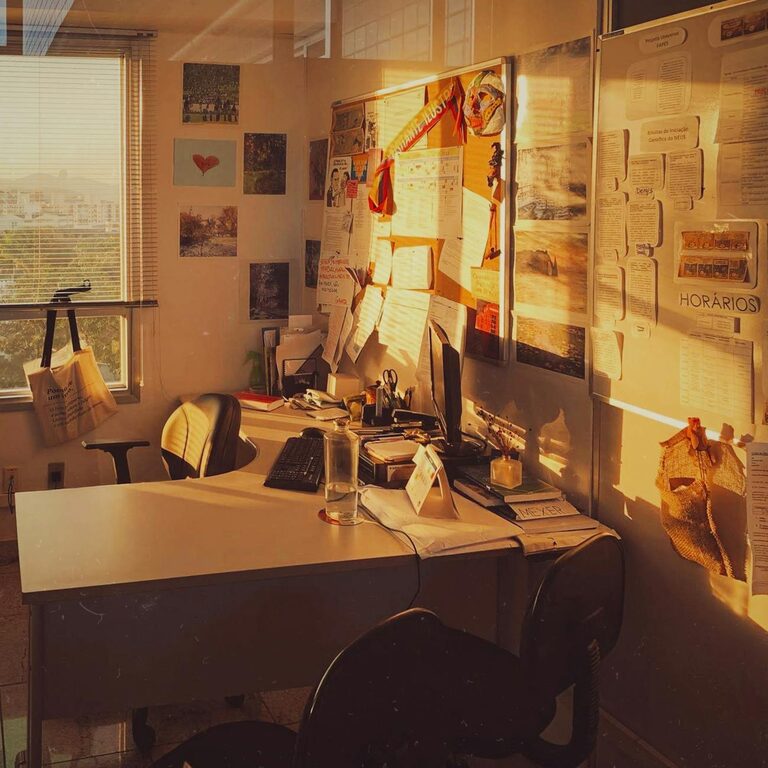
– Natural Light: Aim for a space with plenty of natural light, such as near a window. Natural light boosts mood and reduces eye strain.
– Quietness: Choose a quiet corner or room where you won’t be easily disturbed. If possible, separate your office space from high-traffic areas.
– Space and Layout: Make sure the space is large enough for all the furniture and equipment you need, allowing freedom of movement.
Invest in Ergonomic Furniture
Comfort is key to working productively for long periods. Ergonomic furniture supports your posture and reduces the risk of aches and injuries.
Desk
– Pick a desk with enough surface area for your computer, paperwork, and other essentials.
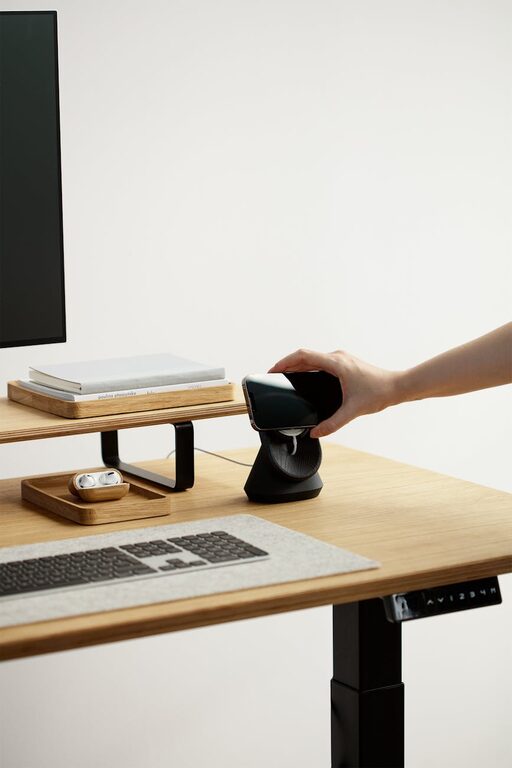
– Adjustable desks that allow you to alternate between sitting and standing are ideal for comfort and health.
Chair
– Choose an adjustable chair with lumbar support to maintain the natural curve of your spine.
– Ensure the chair height allows your feet to rest flat on the floor and your arms to be at a comfortable angle when typing.
Optimise Lighting for Comfort
Beyond natural light, good artificial lighting is essential to reduce eye strain and keep you alert.
– Use a combination of overhead and task lighting.
– A desk lamp with adjustable brightness and colour temperature can help reduce fatigue during long work sessions.
– Avoid glare on screens by positioning lights and windows carefully.
Keep Your Workspace Organised
Clutter can distract you and reduce focus. An organised workspace helps you find what you need quickly and maintain a clear mind.
– Use drawers, shelves, or organisers to store stationery, documents, and cables.
– Keep your desktop clear except for essentials.
– Develop a filing system, whether physical or digital, to manage important papers efficiently.
Decorate to Inspire
Your home office should be a place where you feel motivated and comfortable.
– Choose colours that boost productivity, such as soft blues, greens, or neutrals.
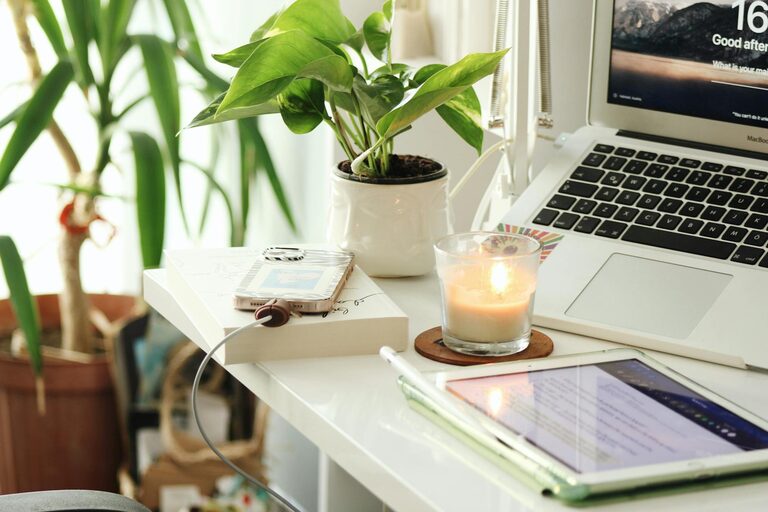
– Personalise your space with artwork, plants, or items that inspire you without cluttering your desk.
– Plants can improve air quality and bring a calming effect to your workspace.
Manage Noise and Distractions
Sound can interrupt concentration, so take steps to manage noise if needed.
– Use noise-cancelling headphones or play soft background music if it helps you focus.
– Add rugs, curtains, or soft furnishings to reduce echo and noise transmission.
– Set clear boundaries with family or housemates to minimise interruptions during work hours.
Set Up Technology Efficiently
Having the right technology setup can streamline your work and reduce frustrations.
– Invest in a reliable, fast internet connection to support video calls and online tasks.
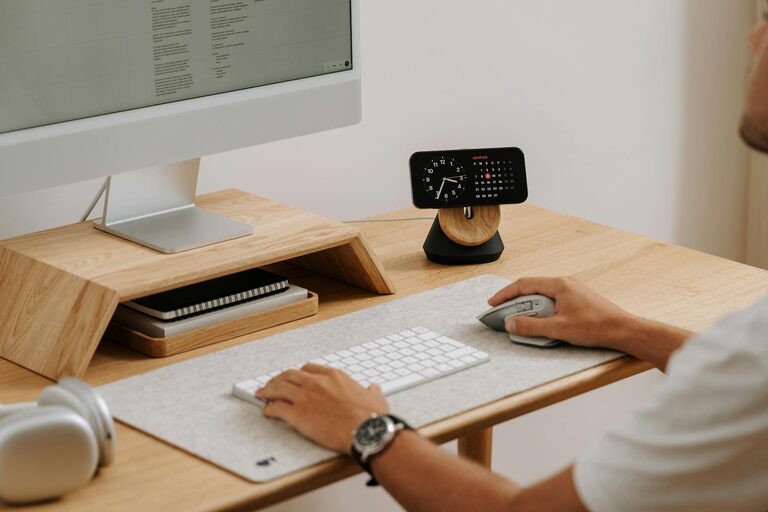
– Arrange your computer, monitor, keyboard, and mouse ergonomically to reduce strain.
– Use cable management solutions to keep wires tidy and avoid accidents.
Establish a Routine
A well-defined routine can improve productivity and help maintain a healthy balance.
– Set regular working hours and take breaks to stretch and rest your eyes.
– Start your day with a clear to-do list or priorities.
– Avoid working in bed or couches; sticking to your designated office space helps your brain associate it with work.
Consider Air Quality and Temperature
Comfort isn’t only about furniture and lighting; the air you breathe and room temperature also affect your ability to focus.
– Open windows regularly to refresh the air.
– Use fans, heaters, or humidifiers as needed to maintain a comfortable temperature and humidity.
– Keep your workspace clean to reduce dust and allergens.
Final Thoughts
Creating a comfortable and productive home office is about finding a balance between practical needs and personal preferences. By carefully choosing your location, investing in ergonomic furniture, organising your space, managing light and noise, and setting routines, you can make your home office a place where you enjoy working and perform at your best. Taking time to personalise and optimise your workspace will not only enhance your productivity but also your overall well-being.
About the Author