Creating a home workspace that is both relaxing and productive is essential for anyone working remotely or spending long hours at a desk. The right environment can improve focus, reduce stress, and help maintain a positive attitude throughout your workday. Here are some key tips to help you design a workspace that suits your needs and keeps you motivated.
Choose the Right Location
Finding the ideal spot for your home workspace is the first step. Consider these points:
– Quiet Area: Select a space that is free from distractions and noise, such as a spare room or a quiet corner.
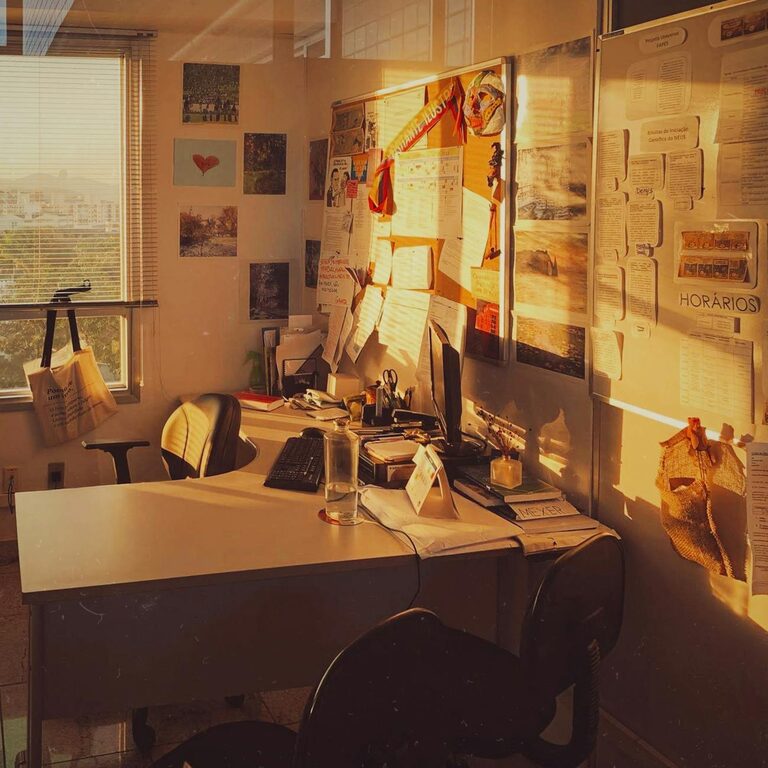
– Natural Light: Position your desk near a window to benefit from natural light. This can enhance mood and reduce eye strain.
– Away from High Traffic: Avoid areas where other household members often pass or gather.
If space is limited, use room dividers or screens to create a sense of separation from your living areas.
Invest in Comfortable Furniture
Comfort plays a significant role in productivity and relaxation.
– Ergonomic Chair: Choose a chair that supports your back and encourages good posture.
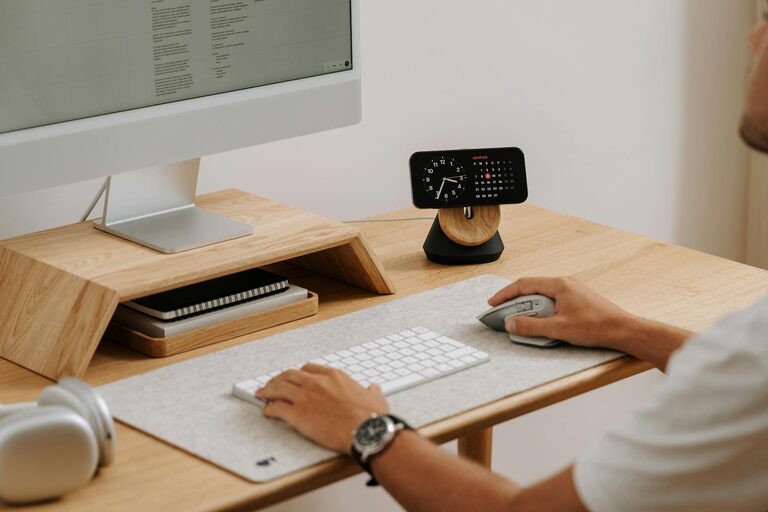
– Height-Appropriate Desk: Your desk should allow your arms to rest comfortably at a right angle while typing.
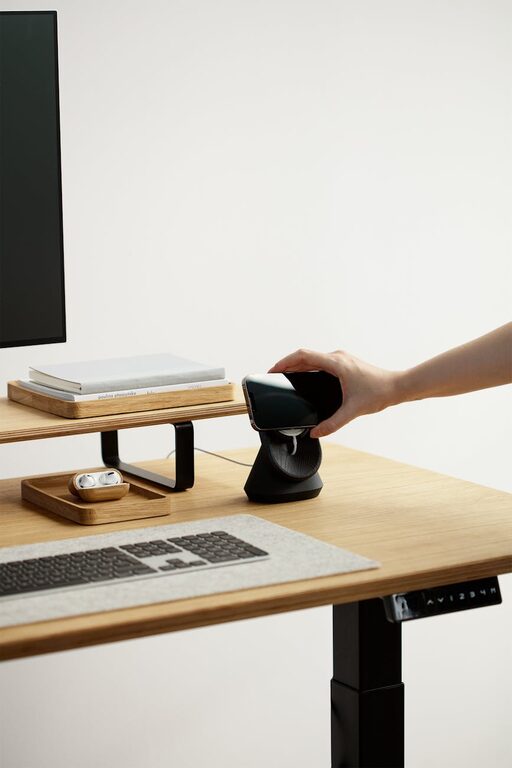
– Adjustable Options: If possible, consider a sit-stand desk to alternate your posture during the day.
Remember, investing in quality furniture can prevent discomfort and health issues over time.
Organise Your Workspace Efficiently
A tidy and well-organised workspace helps reduce stress and distractions.
– Use Storage Solutions: Shelves, drawers, and desk organisers keep essentials within reach but off your desk.
– Cable Management: Keep cords tidy with clips or cable boxes to avoid a messy look.
– Minimalism: Avoid clutter by keeping only necessary items on your workspace.
Plan your layout so frequently used items are easy to access, saving you time and maintaining focus.
Personalise Your Space Thoughtfully
Adding personal touches can make your workspace feel welcoming without causing distractions.
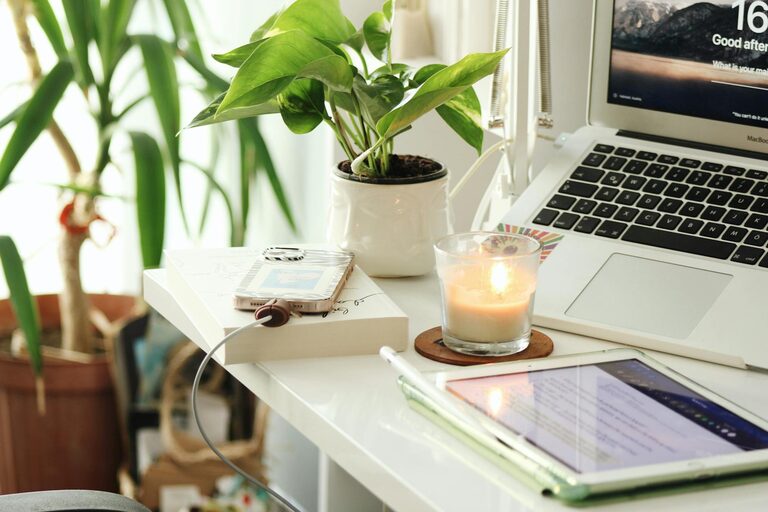
– Plants: Small indoor plants can improve air quality and create a calming effect.
– Artwork or Photos: Choose inspiring images or calming artwork.
– Colour Choices: Soft, neutral tones promote relaxation, while splashes of brighter colour can energise.
Keep personal items minimal to avoid overcrowding the area.
Control Lighting and Temperature
Proper lighting and a comfortable temperature contribute greatly to your wellbeing.
– Layered Lighting: Use a combination of natural light, overhead lighting, and task lamps to reduce eye strain.
– Adjustable Lamps: A desk lamp with adjustable brightness and direction is ideal.
– Temperature: Ensure good ventilation and maintain a comfortable temperature; consider a fan or heater as needed.
Avoid harsh fluorescent lights that can cause headaches or eye fatigue.
Minimise Distractions
Staying focused requires limiting interruptions and distractions.
– Set Boundaries: Communicate your work hours to family members or housemates.
– Noise Control: Use noise-cancelling headphones or play soft background music if helpful.
– Remove Temptations: Keep phones, social media, and unrelated gadgets out of reach during work sessions.
Create a clear distinction between work and relaxation to improve concentration.
Incorporate Relaxation Elements
Including small relaxation elements can help you recharge during breaks.
– Comfort Items: A cushion or footrest can provide comfort during long work periods.
– Aromatherapy: Subtle scents like lavender or eucalyptus may help reduce stress.
– Break Area: If space allows, set up a nearby spot with a comfy chair or space to stretch.
Remember to take regular breaks away from the screen to stay refreshed.
Use Technology to Your Advantage
Technology can support both productivity and relaxation when used mindfully.
– Productivity Apps: Use calendars, to-do lists, or focus timers to organise your day.
– Blue Light Filters: Protect your eyes with screen filters or settings that reduce blue light in the evening.
– Ergonomic Accessories: Consider keyboards, mice, or stands designed to reduce strain.
Keep software and devices up to date to avoid frustration and downtime.
Maintain a Healthy Routine
Beyond the physical workspace, your habits also influence productivity and relaxation.
– Set Work Hours: Keep consistent start and finish times to separate work from personal life.
– Regular Exercise: Incorporate stretches or simple exercises to combat the sedentary nature of desk work.
– Stay Hydrated and Nourished: Keep water and healthy snacks nearby.
Listening to your body’s needs helps maintain energy and focus throughout the day.
—
By thoughtfully designing your home workspace using these tips, you can create a balanced environment that supports both productivity and relaxation. Remember that the best workspace is one tailored to your personal preferences and needs, helping you feel comfortable, focused, and ready to tackle your day.
About the Author